Your cart is empty
Tax included and shipping calculated at checkout

Cart Error
Drawer menu
Your cart (0)
Tax included and shipping calculated at checkout

King John never signed Magna Carta, he sealed it. It was annulled within ten weeks. Only four originals survive, and its clause numbers were not added until ...

Magna Carta was annulled within ten weeks, King John died mid war at Newark Castle, and rebel barons nearly handed the English throne to a French prince. Her...
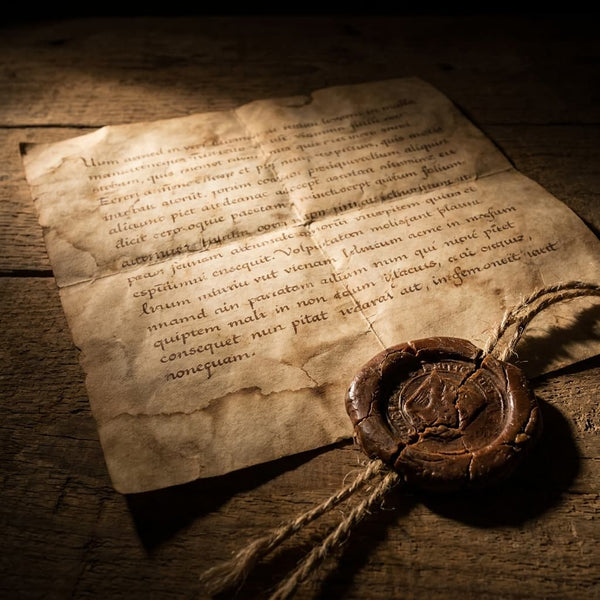
King John never signed Magna Carta. He sealed it, and within ten weeks the pope had annulled it entirely. Yet this failed 1215 peace treaty was reissued, rev...

Magna Carta's 63 clauses were mostly narrow feudal grievances specific to 1215. This guide walks through the three that mattered, Clause 39, Clause 40 and Cl...

Magna Carta failed within weeks in 1215, yet a seventeenth century lawyer named Edward Coke revived it against the Stuart kings, and its due process language...
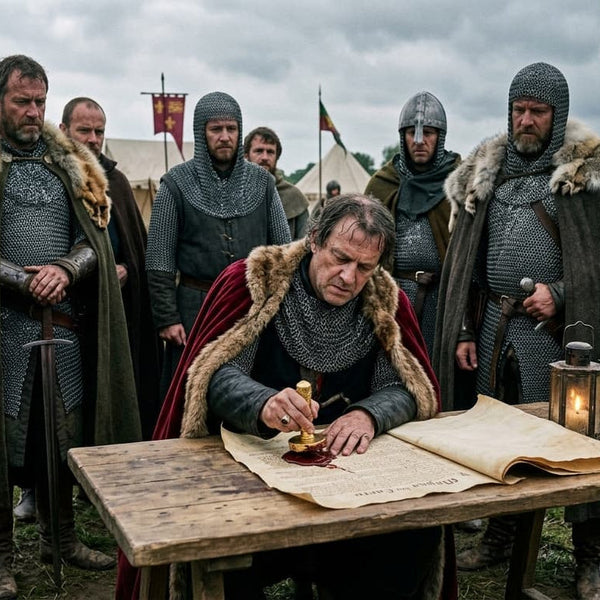
King John did not seal Magna Carta on a whim. A decade of lost wars, a crushing defeat at Bouvines, a papal interdict, and rebel barons calling themselves th...


