The Hundred Rolls
The Hundred Rolls: England’s Forgotten Domesday
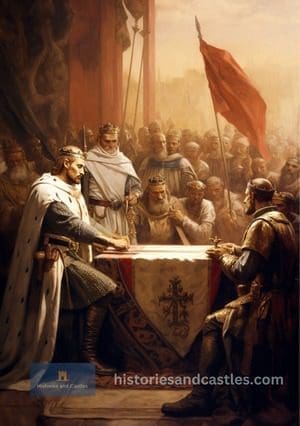
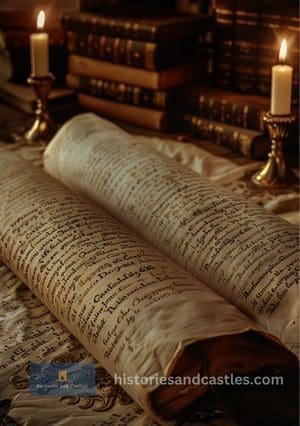
Commissioned by King Edward I in the 13th century, the Hundred Rolls were a vast and ambitious investigation into land ownership, local rights, and royal abuses across England. Often referred to as a second Domesday Book, this sweeping survey was designed to strengthen royal authority — and expose corruption at every level.
Covering towns, villages, and hundreds (the medieval administrative districts that gave the inquiry its name), the records offer a rare glimpse into everyday life, feudal obligations, and the balance of power between the Crown, Church, and local lords.
In this section of Histories & Castles, we explore the background, purpose, and lasting impact of the Hundred Rolls. Discover how these documents offer a unique window into medieval society — one that continues to inform historians and captivate the curious.
What You’ll Discover:
-
The origins and aims of the Hundred Rolls
-
How they differed from the Domesday Book
-
Key entries, findings, and what they reveal
-
Edward I’s strategy to reassert royal control
-
Insights into medieval justice, land rights, and governance
Step into the record books of medieval England and uncover the stories that bureaucracy left behind. The Hundred Rolls may be overlooked — but they hold centuries of hidden truths.