Stories That Shaped the Medieval Imagination
The myths and legends of Britain and Wales are more than fantasy. They are cultural artefacts—stories shaped by politics, belief, identity, and power. Passed down through medieval chronicles, poetry, and oral tradition, these tales helped explain the past and legitimise authority in uncertain times.
This collection brings together our in-depth articles on British and Welsh myths and legends, exploring where story meets history and how legend was used to shape meaning, memory, and nationhood.
Why Myths Matter in History
Medieval myths were rarely created for entertainment alone. They served clear purposes:
- Explaining origins and identity
- Reinforcing royal or national legitimacy
- Embedding moral or prophetic meaning
- Linking landscapes to sacred or symbolic events
Figures such as Merlin, King Arthur, and the Welsh Dragon endured because they were useful as well as compelling.
Merlin: Prophecy, Power, and Knowledge
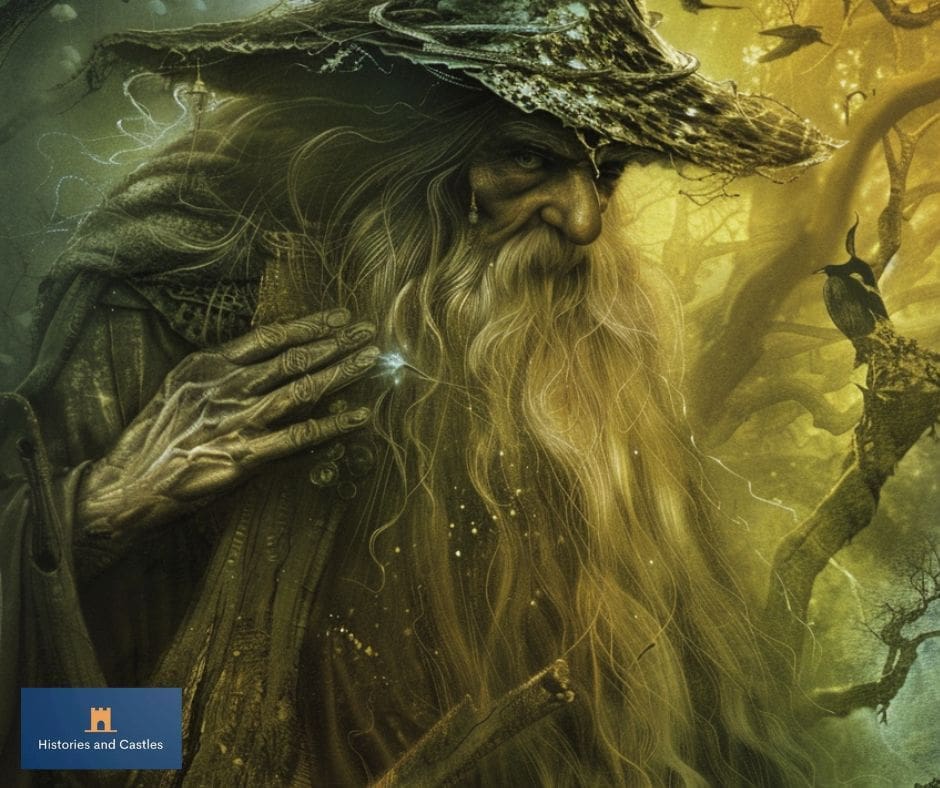
Merlin stands at the centre of Britain’s mythic tradition. Neither wholly wizard nor historian, he is presented as a prophet, adviser, and keeper of hidden knowledge.
Explore our Merlin collection:
- Merlin: Secrets and Magic Unveiled
- The Legend of Merlin and the Sword in the Stone
- Merlin and the Dragons: Unveiling the Mystical Legend
- Merlin’s Magic: Spells and Incantations
- Merlin’s Prophecies: Exploring the Wizard’s Most Famous Predictions
- The Legend of King Vortigern and Merlin
These articles examine how Merlin evolved across texts, particularly through the writings of Geoffrey of Monmouth, whose influence shaped much of what we now recognise as Arthurian legend.
Prophecy, Dragons, and Tradition
Welsh mythology places strong emphasis on prophecy and symbolism, especially through dragons and animals used as metaphors for conflict and fate.
Key explorations include:
- The Prophecy of the Boar of Cornwall
- The Dragon Prophecy: An In-Depth Exploration
- The Mythology of the Welsh Dragon
- Historical Origins of the Welsh Dragon
- The Welsh Dragon in Battles and Warfare
- The Welsh Dragon: National Symbol and Mythical Legend
These stories reflect how myth was woven into political narrative, particularly in Wales, where legend and resistance often overlapped.
King Arthur and Legendary Kingship
Arthurian legend provided medieval Britain with an idealised vision of kingship—just, heroic, and divinely favoured. Yet the figure of Arthur is inseparable from mythmaking rather than documented rule.
Explore the Arthurian strand:
These pieces explore how real places became attached to legendary figures, reinforcing authority through association rather than evidence.
A Scholarly Approach to Myth and Legend
At Histories & Castles, myths and legends are treated as historical sources in their own right. Each article considers:
- Medieval texts and chroniclers
- Cultural and political context
- Symbolism rather than literal truth
- How legends changed over time
This allows readers to appreciate these stories without confusing mythology with established history.
Begin Exploring the Legends
Whether you are interested in medieval prophecy, Arthurian tradition, or Welsh national myth, these articles offer a structured way to explore Britain’s legendary past.
Read them not as fantasy, but as windows into how people once understood their world.
-
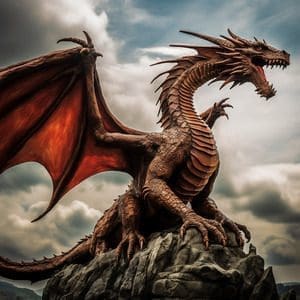
The Mythology of the Welsh Dragon
The dragon, or “draig” in Welsh, is not just a creature of folklore in Wales; it is a symbol of the nation’s spirit, resilience, and… …read on.
-

The Prophecy of the Boar of Cornwall
The Prophecy of the Boar of Cornwall is another significant and intriguing prophecy attributed to Merlin, the legendary wizard of Arthurian legend. …read on.
-
The Welsh Dragon
The red dragon symbolizes Welsh identity, rooted in ancient mythology and adopted during the Roman occupation. Linked to King Arthur and Merlin’s prophecies, it embodies… …read on.
-
The Welsh Dragon in Battles and Warfare
From early medieval conflicts against the Saxons to the Glynd?r Rebellion against the English crown, the red dragon standard was flown against oppression and tyranny. …read on.