Medieval Magic
In the Middle Ages, ordinary folk lived with one foot in the everyday world and the other in a realm where spirits, omens, and unseen powers could brush against their lives at any moment—through a sudden dream, a chance encounter with a stranger, or the flicker of a candle in the dark.
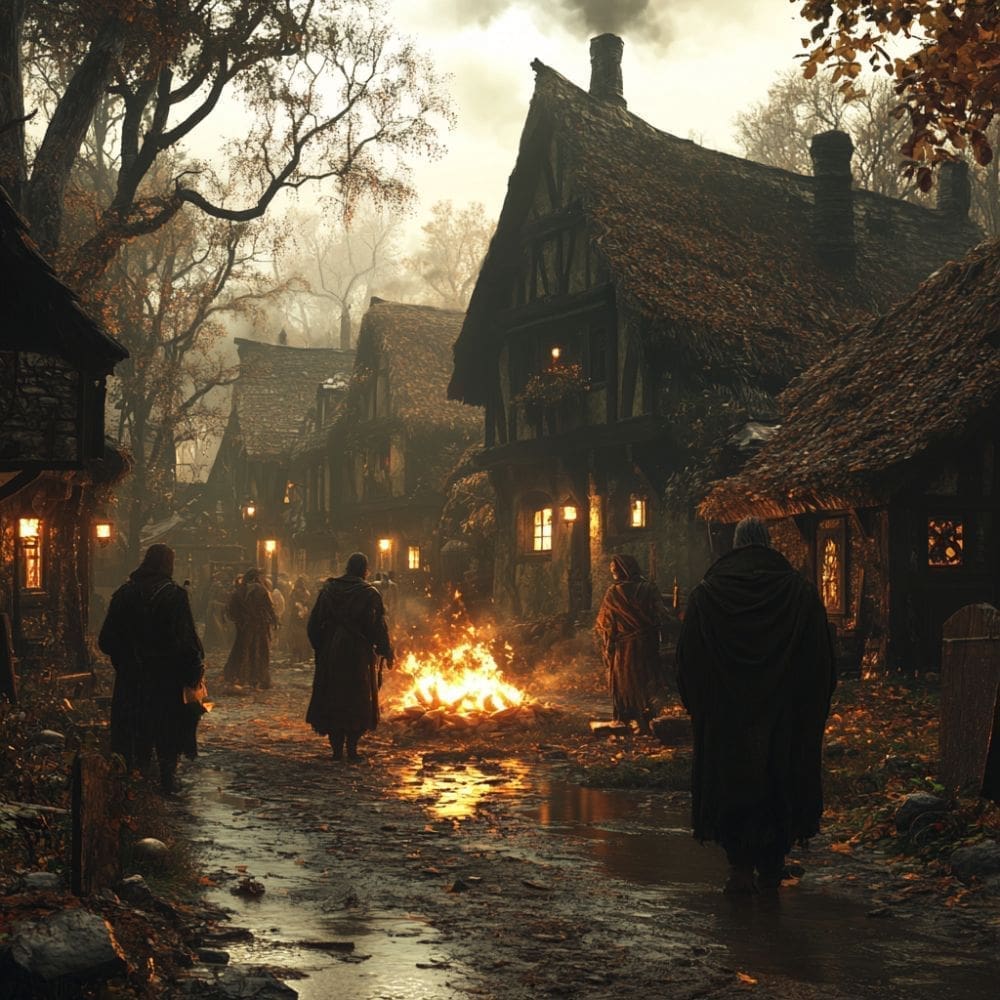
Here in the Medieval Magic section of Histories and Castles, we explore those intimate fears and fascinations: the layered meanings carried by the ankh and the cross, the chilling figure of the Grim Reaper who stalked plague-ridden streets, the quiet arts of fortune-telling that promised glimpses of what tomorrow might bring, the desperate accusations that sent women to the ducking stool or the gallows at Pendle, and the ancient fires of Samhain that still glow beneath our own Halloween night.
Come with us into these pages, not as distant scholars peering at dusty beliefs, but as fellow travellers drawn to understand how such ideas once steadied hearts, terrified communities, and shaped the very soul of an age—an age whose echoes we can still hear when the nights draw in and the old stories stir once more.
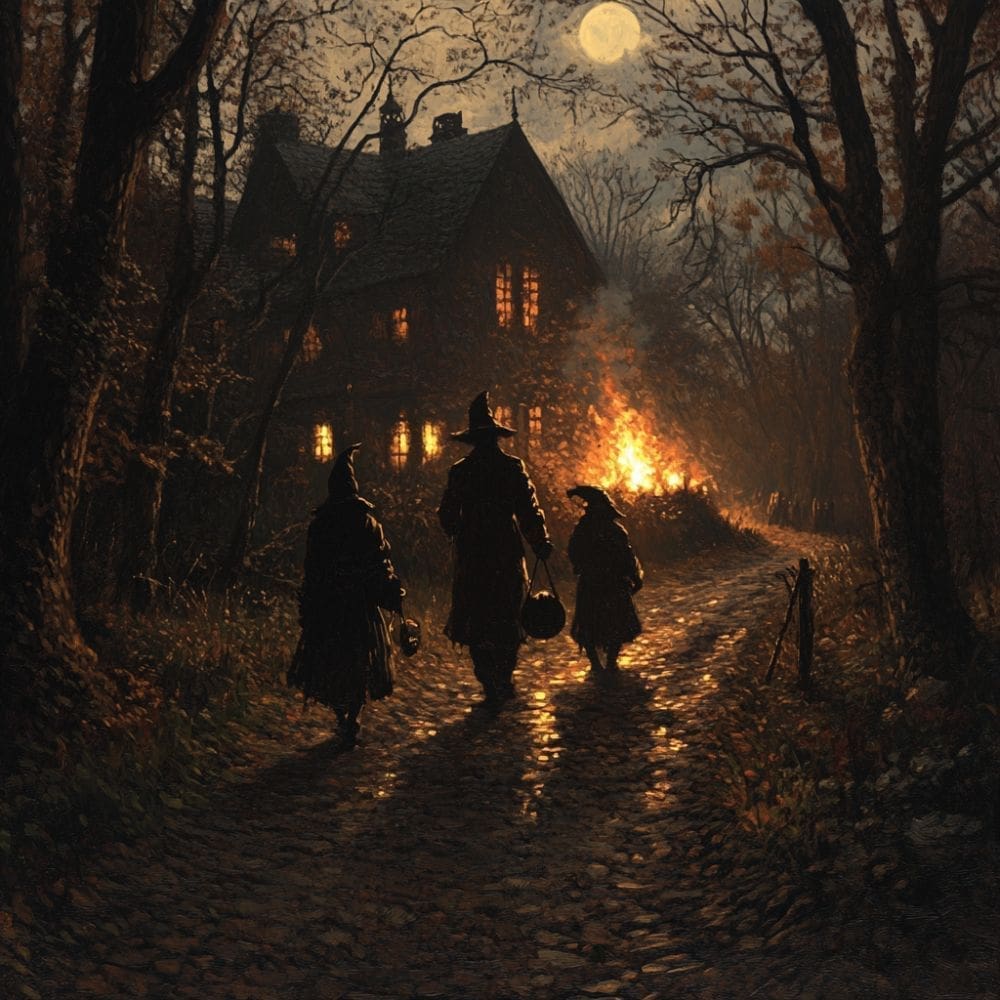
This article explores the roots of Halloween in the ancient Celtic festival of Samhain, how it shaped customs like bonfires and costumes, and the spiritual significance placed on the connection between the living and the dead.
Origins of Halloween in Medieval England Read Post »